
Inca Agricultural Techniques
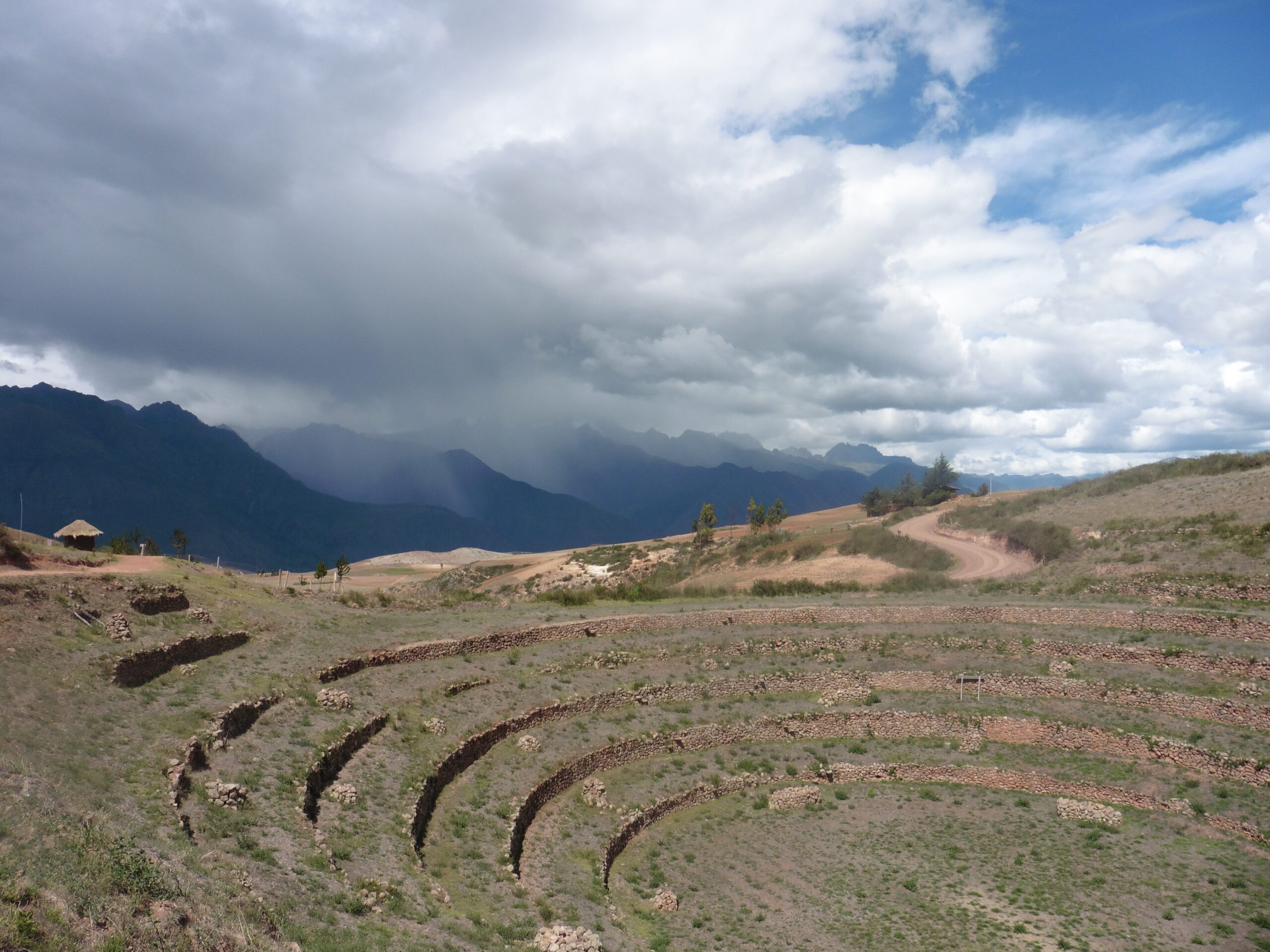
Inca Agricultural Techniques: The Ancient Genius Behind Peru’s Terraces
Long before modern machinery or climate-controlled greenhouses existed, the Inca Empire accomplished one of the greatest feats in human history: feeding millions of people across steep mountains, harsh climates, and varying altitudes. Through master engineering, advanced hydraulics, and deep ecological knowledge, ancient Peruvians turned daunting Andean slopes into fertile, self-sustaining farmland.
Today, as climate change challenges global food production, the world is turning back to study Inca agricultural techniques. Visitors traveling from the United States and all over the globe to Cusco are captivated not only by the majesty of these landscapes, but by the brilliant mindset behind them. In this article, we explore how Inca terraces in Peru and advanced water management systems shaped an empire—and where you can witness this living legacy today.
1. Inca Agriculture: Master Engineering in the Andes
The high-altitude terrain of the Peruvian Andes presented extreme challenges for farming, including thin soil, freezing temperatures, and soil erosion. To overcome these obstacles, Inca engineers perfected the art of land transformation through Inca engineering in Peru—specifically, terrace farming (andenes).
In sites like Pisac and Ollantaytambo, thousands of stone terraces cascade down mountain walls. Far from simple dirt steps, these structures were sophisticated thermal and drainage systems designed with multi-layered technology:
-
Retaining Stone Walls: Built with dark fieldstones that absorbed heat during the sunny daytime and radiated it back into the soil during cold mountain nights, protecting crops from frostbite.
-
Layered Subsoil: Beneath topsoil imported from fertile riverbeds, layers of sand, gravel, and large stones provided structural stability and superior drainage, preventing landslides during heavy rainy seasons.
By creating microclimates along mountain slopes, the Incas successfully cultivated over 4,000 varieties of potatoes, maize (corn), quinoa, and medicinal plants across diverse elevations.
2. Moray: An Ancient Agricultural Laboratory
If Pisac showcases terrace farming at scale, the Moray archaeological site represents the pinnacle of ancient scientific experimentation. Located in the Sacred Valley, Moray features giant concentric circular terraces that resemble sunken amphitheaters.
How Moray Worked as an Agricultural Lab
Archaeologists and botanists believe Moray was a high-tech agricultural research station. Due to its unique circular design, depth, and exposure to wind and sunlight, the temperature difference between the top rim and the lowest basin can vary by up to 15 °C (27 °F).
-
Microclimate Control: Each terrace level replicated different ecological zones found across the vast Inca Empire (from the Amazon basin to high Andean plateaus).
-
Crop Hybridization: Farmers acclimatized seeds brought from different corners of South America, gradually adapting wild species to flourish at high altitudes before distributing them across the empire.
Exploring this site during a Moray and Maras tour allows travelers to appreciate the depth of pre-Columbian scientific knowledge firsthand.
3. Water Management and Irrigation Mastery
Terraces alone were not enough—they required precise, reliable irrigation. Inca hydraulic engineers mastered hydrology, building stone aqueducts, canals, underground channels, and fountain systems that transported water over miles of rugged terrain.
Tipón: The Ultimate Hydraulic Masterpiece
Located just outside Cusco in the South Valley, Tipón serves as the prime example of Inca water engineering. The site features beautifully sculpted terraces fed by natural springs through finely carved stone channels. The water flows seamlessly to this day, exhibiting flawless balance, water pressure management, and aesthetic elegance.
Systems like those in Tipón ensured that agricultural fields received continuous hydration regardless of seasonal droughts.
4. Where to See These Techniques Today
Experiencing these ancient engineering wonders in person is one of the most rewarding Peru travel experiences. At OnlyCusco Travel, we offer tailored cultural and private journeys designed to give you an immersive look into Inca history and landscapes:
-
Sacred Valley Cultural Tours: Visit Pisac and Ollantaytambo to walk alongside active terrace systems and vibrant local markets.
-
Maras & Moray Adventure: Discover the circular agricultural laboratory of Moray alongside the ancient salt evaporation ponds of Maras.
-
Cusco Adventure Tours: Experience South Valley highlights like Tipón alongside high-altitude trekking and historic city highlights.
Plan Your Inca Experience with OnlyCusco Travel
Ready to discover the brilliance of the ancient Andes? Explore extraordinary agricultural terraces, breathtaking landscapes, and centuries-old knowledge with our expert local guides.
-
Explore private tours & customized itineraries: Connect directly with our travel specialists today!
-
WhatsApp Us: +51 984 653 234
-
Website: onlycusco.com
- infotour@onlycusco.com